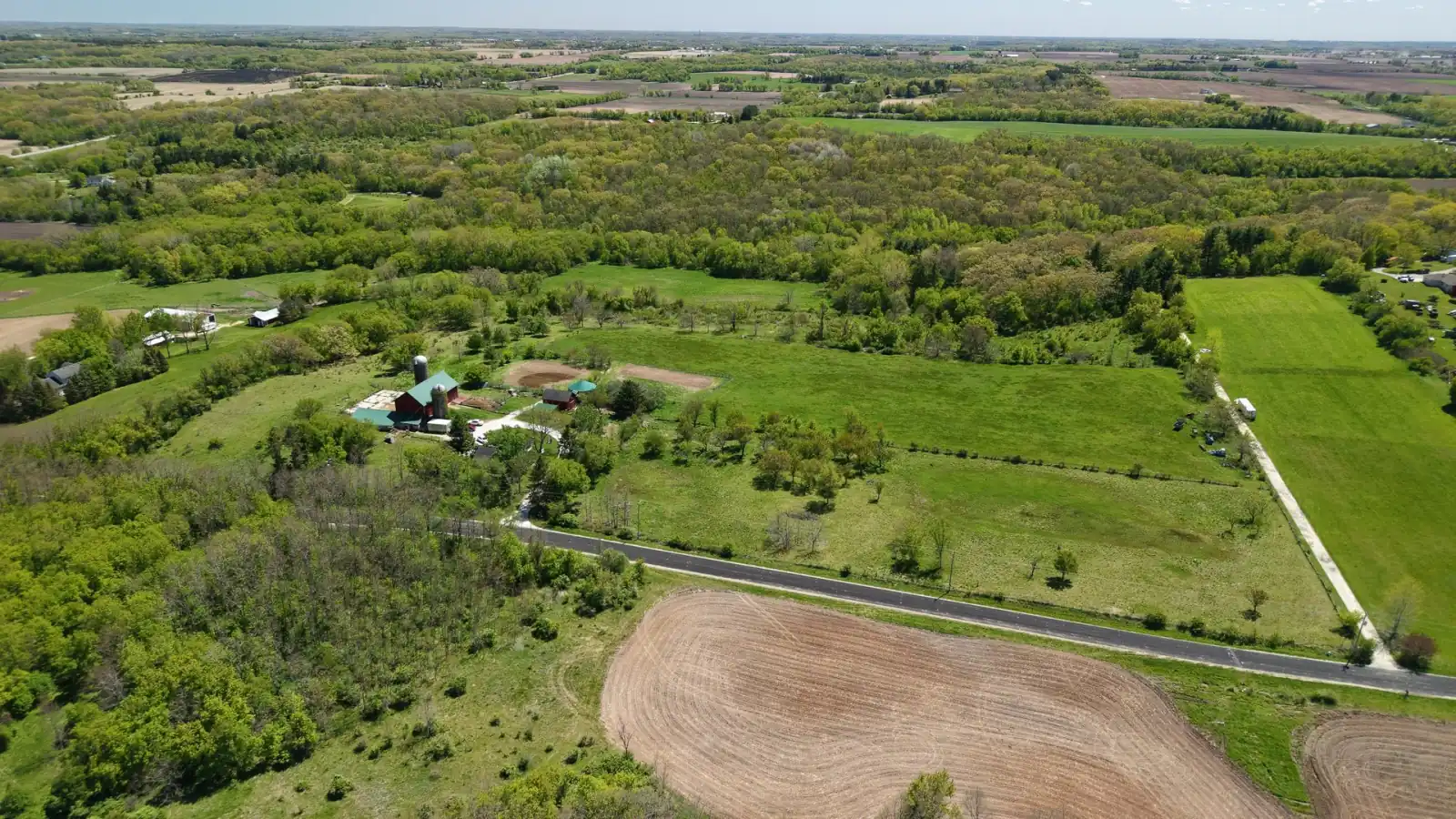
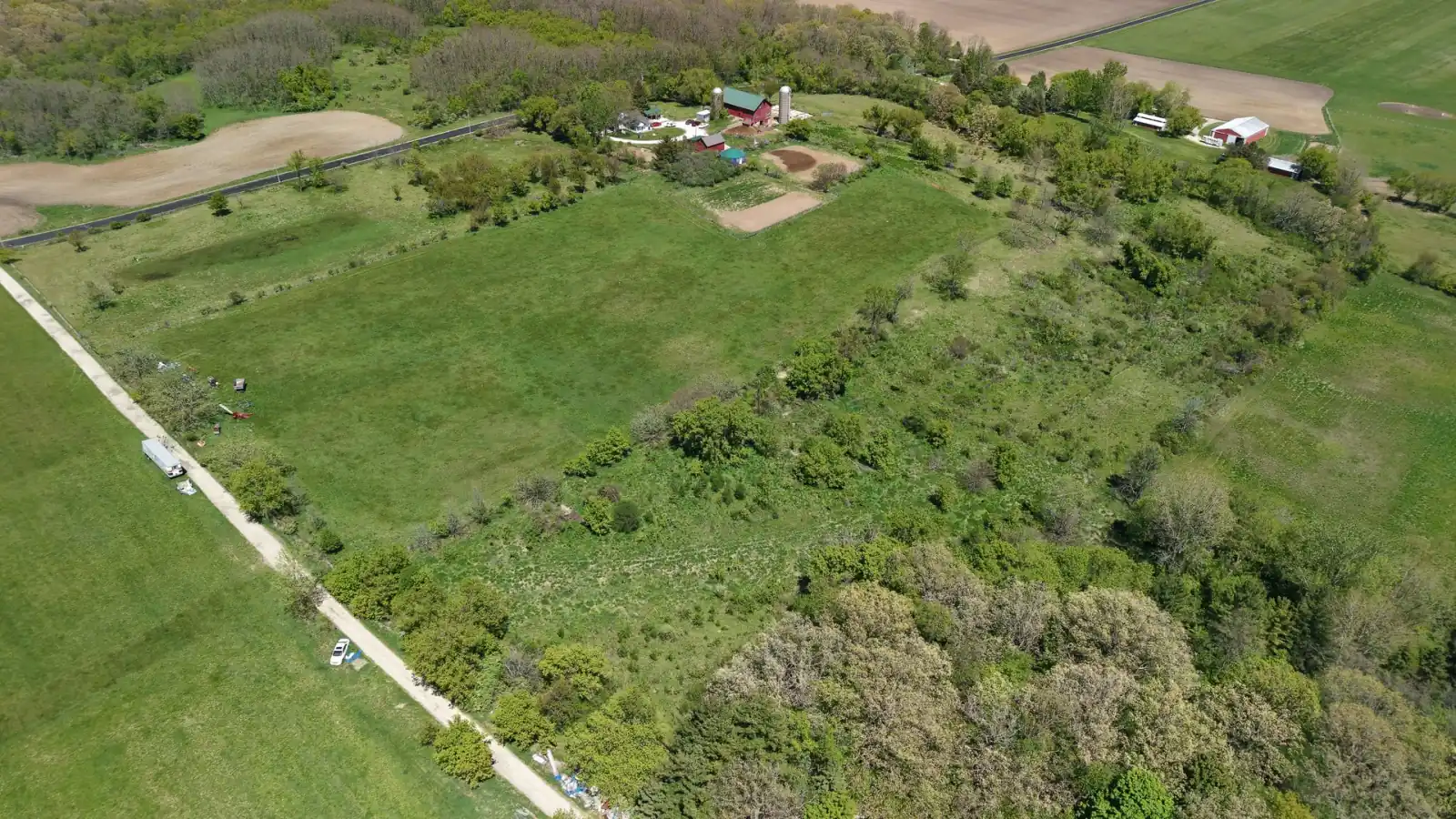
Plenty of country properties could host guests or run a farm program. Very few already have the county permission to do it. The Goldstein Farm carries two active conditional use permits with Walworth County: one for overnight short-term rental of the residence, and one for a farm school.
This page explains what a conditional use permit is, what these two permits cover according to the family and county records, and what a buyer should confirm before relying on them. It is general information, not legal advice.
What is a conditional use permit?
Every zoning district lists uses that are allowed outright (permitted uses) and uses that may be allowed only after a review (conditional uses). A conditional use permit, or CUP, is the county's approval of one of those reviewed uses on a specific property, usually after a public hearing and often with written conditions attached, such as limits on guests, parking or hours.
In Wisconsin, county conditional use permits are governed in part by state law. Under Wis. Stat. § 59.69(5e)(d), once granted, a conditional use permit remains in effect as long as the conditions it was issued under are followed, but the county may impose conditions such as the permit's duration, transfer or renewal. That is why the specific conditions written into each permit matter to a buyer.
Permit one: overnight short-term rental
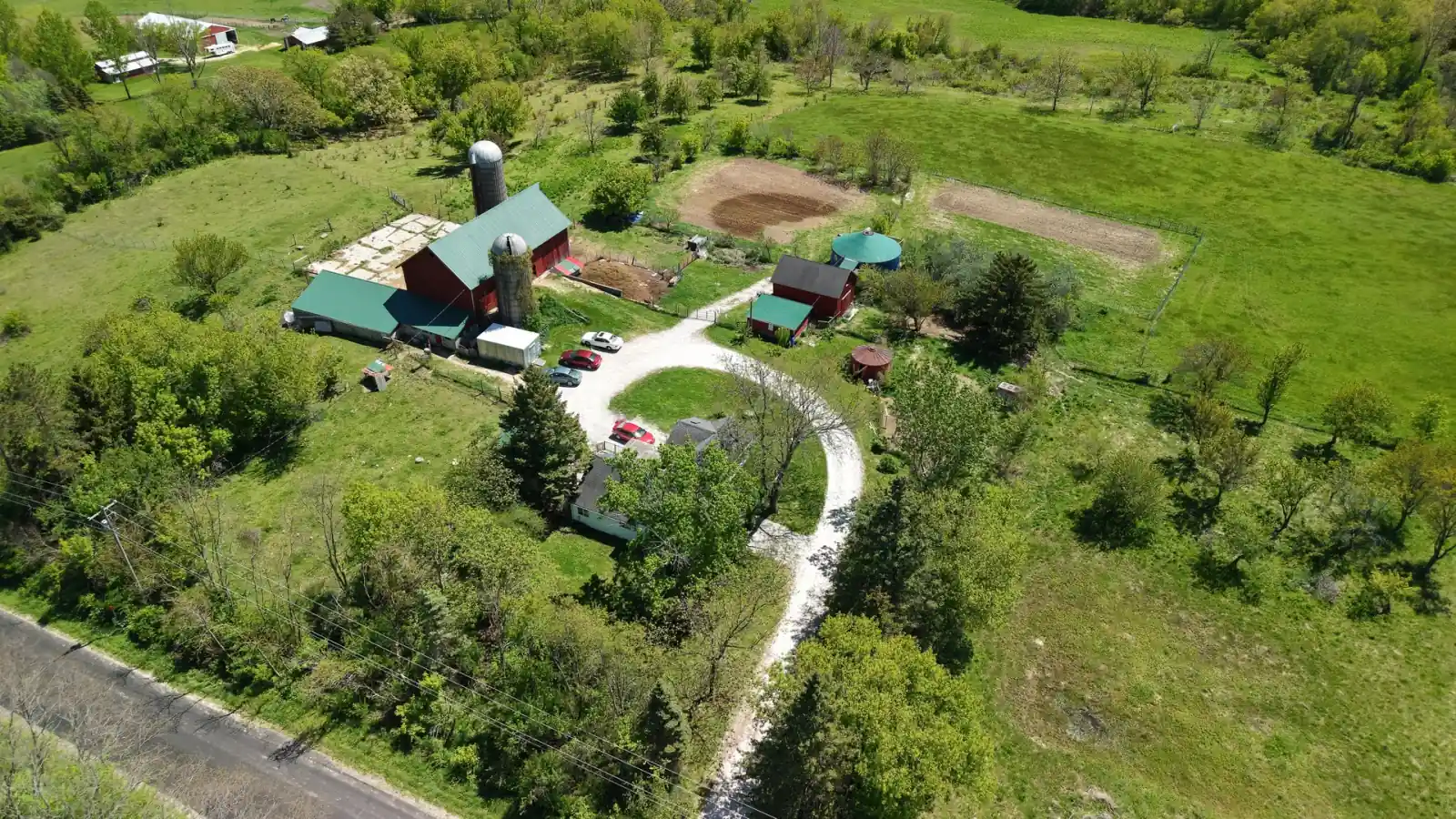
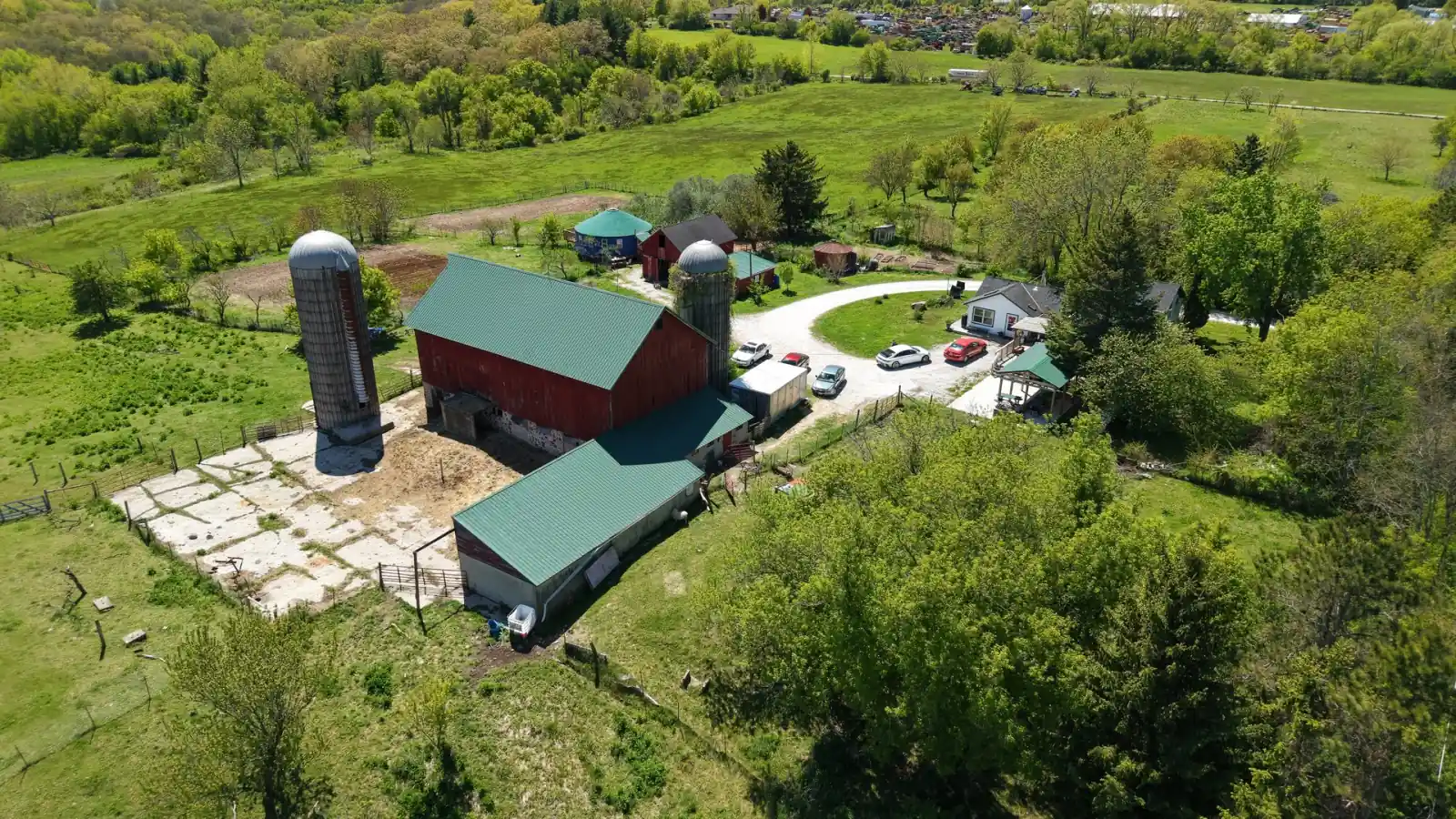
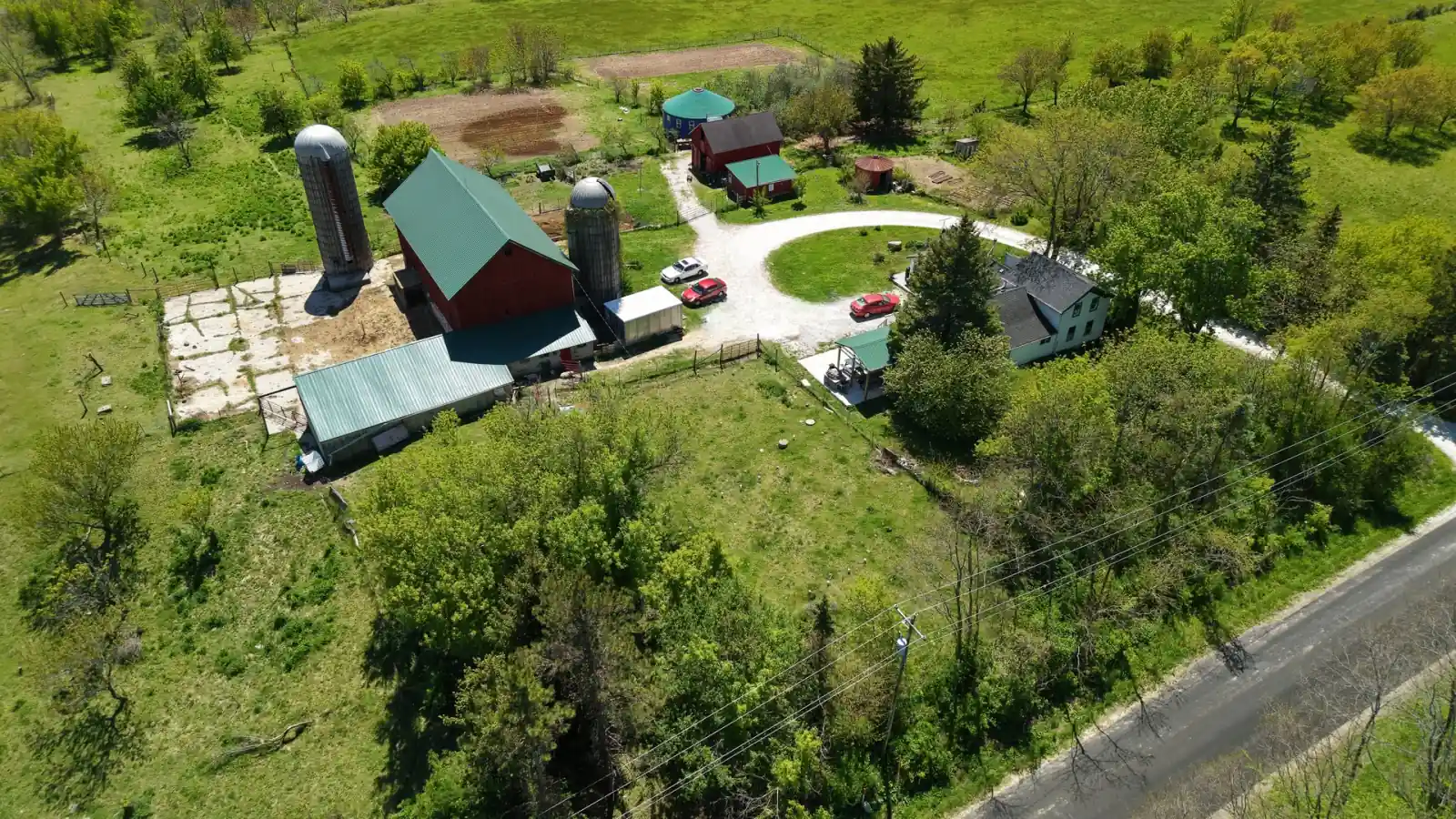
The first permit is an active CUP on file with Walworth County for overnight rental of the existing residence. The county records it under its "Bed and Breakfast" use classification; in practice it has been used for short-term rental. The farmhouse includes a studio apartment that the family historically used for guest lodging.
That permit supported the farm's Airbnb listing, FarmWise Country Stay by Alpine Valley / Lake Geneva, which shows a 4.94 rating across 427 reviews. The listing has been temporarily paused while the property is held as the family's primary residence ahead of the sale. The listing and its review history remain on the platform.
This page does not project rental income or occupancy. Past guest reviews are not a promise of future bookings or revenue, and a new owner's results will depend on their own operation, pricing, licensing and market conditions.
Permit two: farm school
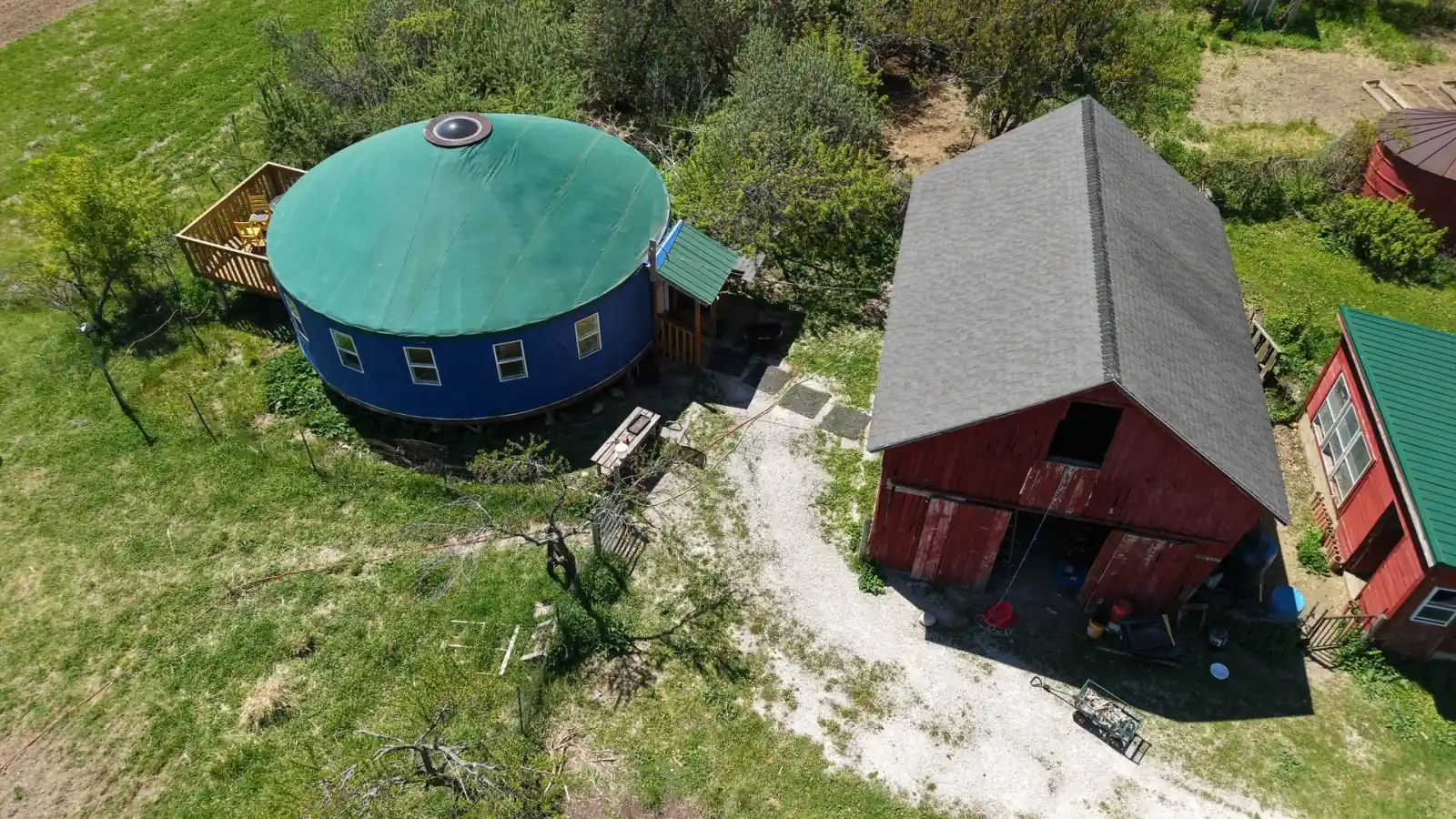
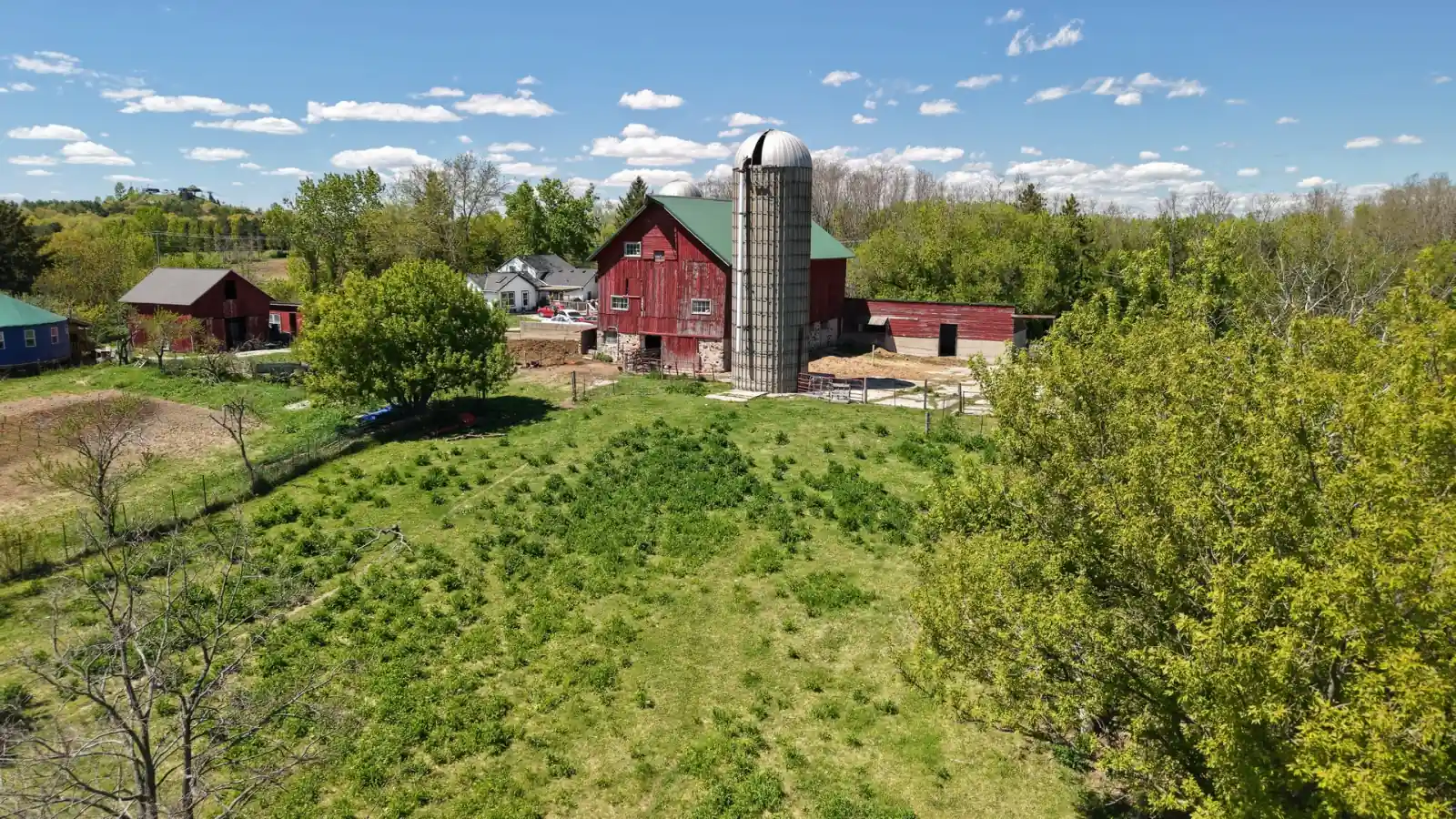
The second active CUP allows farm-school programming on the land. According to the family, it covers educational, agritourism and retreat-style programming. It is the permit behind Bente Goldstein's Farmwise program, which has taught biodynamic growing, animal husbandry and seasonal farm skills to children and families on this property for more than twenty years.
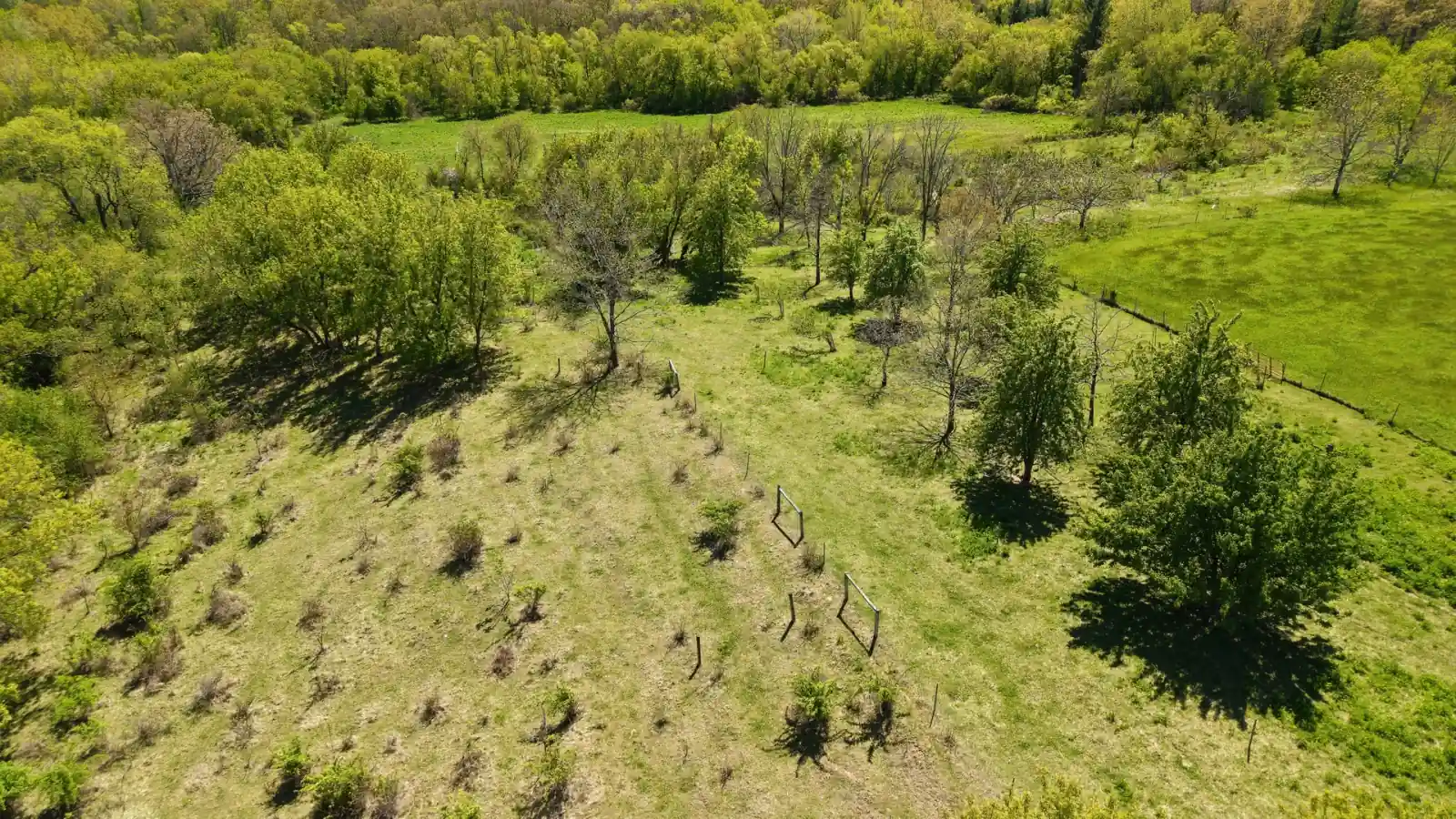
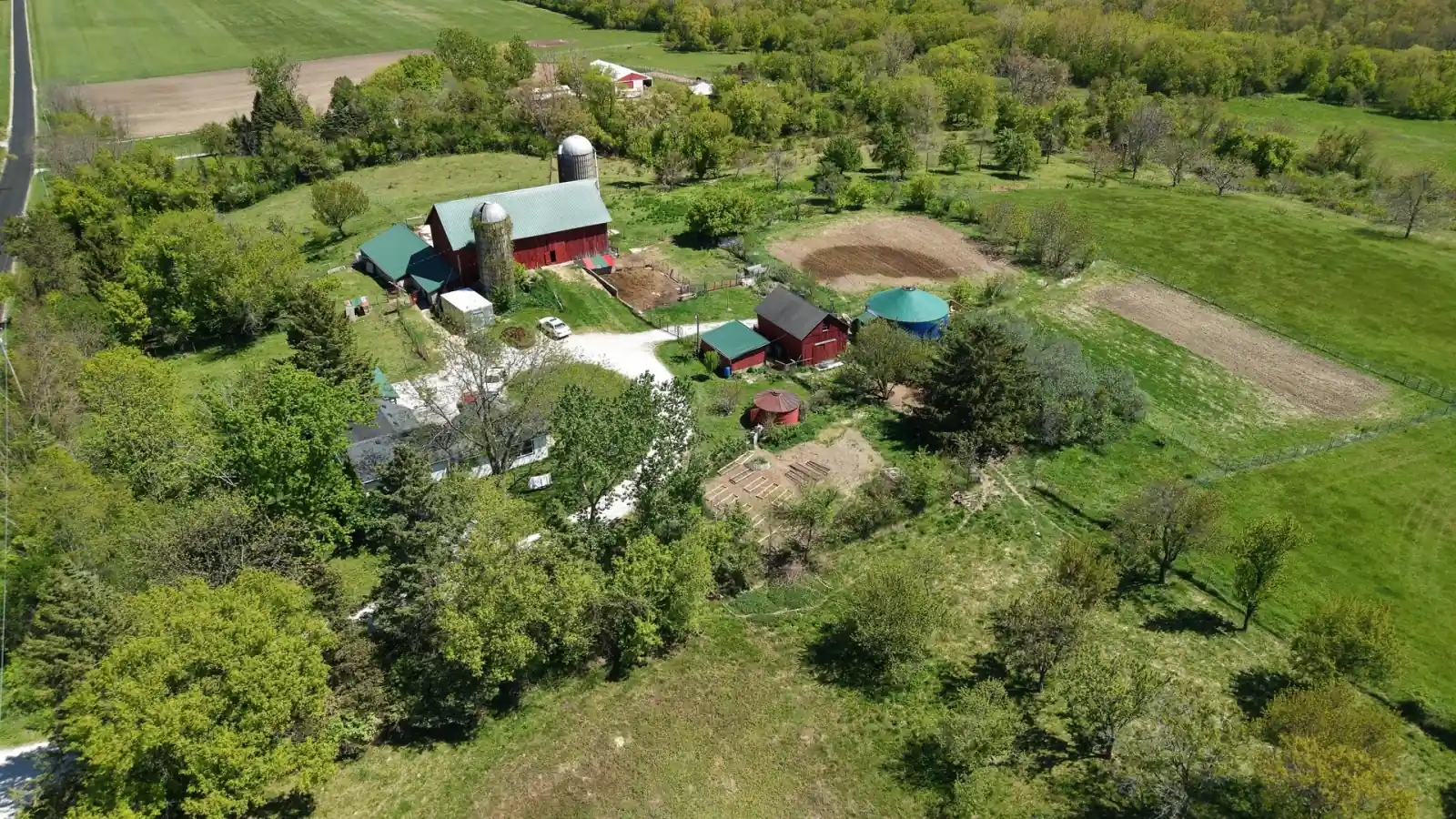
The barn, orchards, gardens, pasture and the newly built heated yurt have all served as part of that classroom. Hundreds of Airbnb guests and farm-school visitors have come through the farm over the years.
What buyers should confirm
Permits like these are valuable precisely because they take time and a public process to obtain. They are also specific documents with specific conditions. Before relying on either permit, a buyer should:
- Get copies of both permits and any conditions of approval from Walworth County Land Use and Resource Management.
- Ask the county whether each permit transfers to a new owner as written, and whether any notice, review or new application is required on a change of ownership.
- Check with the Town of Spring Prairie for any town-level requirements that apply alongside the county permits.
- Confirm separate licensing. Overnight lodging in Wisconsin can involve state or local lodging licenses, health inspections and room-tax registration that are separate from zoning. Ask the county and the relevant licensing agency what applies.
- Review the conditions against your plans. A permit approved for one scale of use may not cover a larger or different operation.
The family will share what they have on file with serious buyers. The county is the authority on what the permits allow and whether they carry over.
How the permits fit the zoning
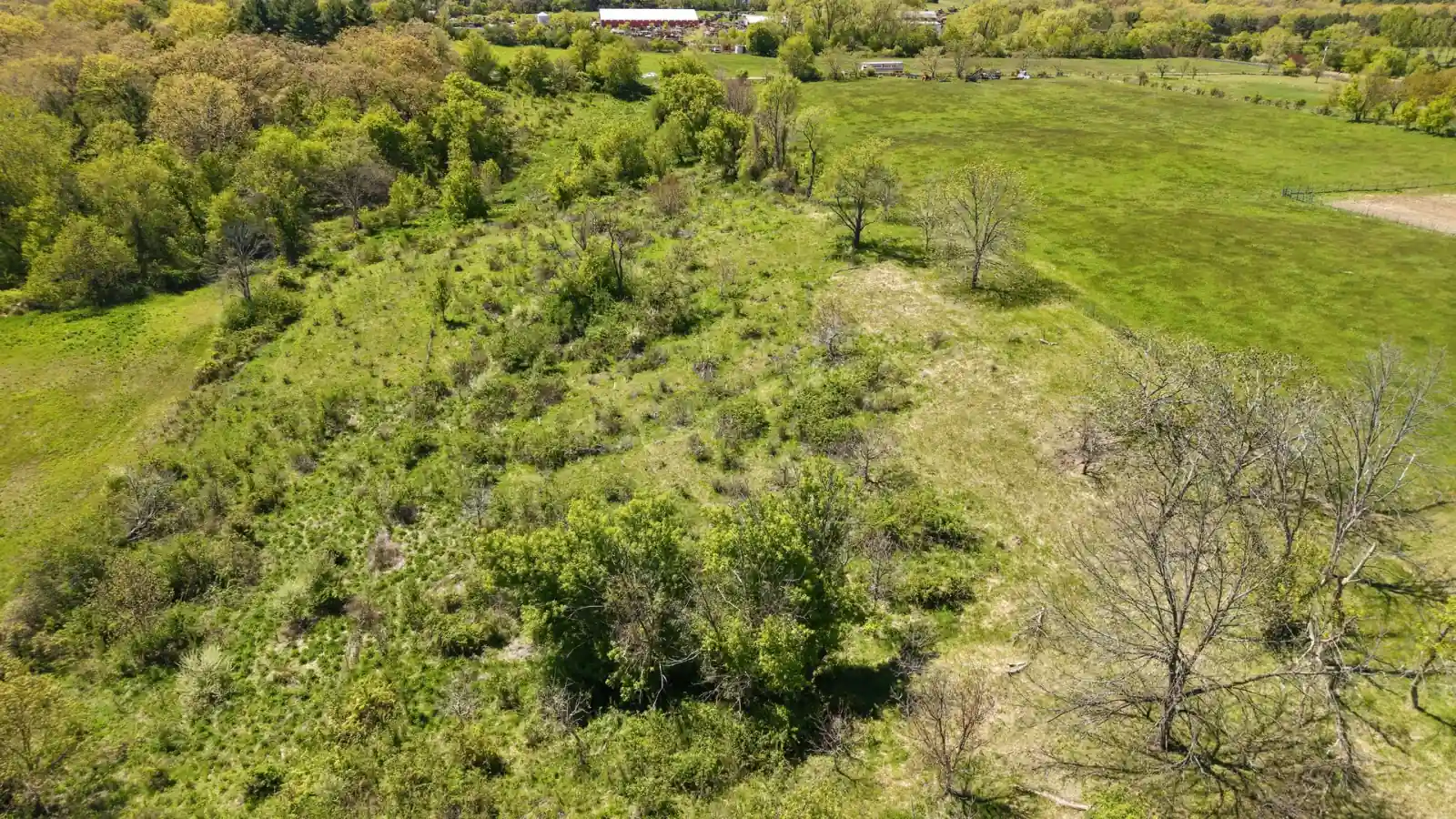
The farm is split between 29.33 acres of A-2 agricultural zoning and 5.7 acres of C-2 upland resource conservation zoning. The conditional uses sit on top of that base zoning. For a plain-language overview of what each district generally allows, see C-2 and A-2 zoning in Walworth County.
A foundation, not a guarantee
For a buyer who wants to host guests, teach, or run small retreats, starting with permits already in place can save a long process. The reputation the farm has built with guests and families is part of the story too. But every operator's plans are different, so treat the permits as a strong starting point to verify, not a finished business.
Explore the organic acreage and orchards, read the area guide, browse photos and the FAQ, or return to the main page.