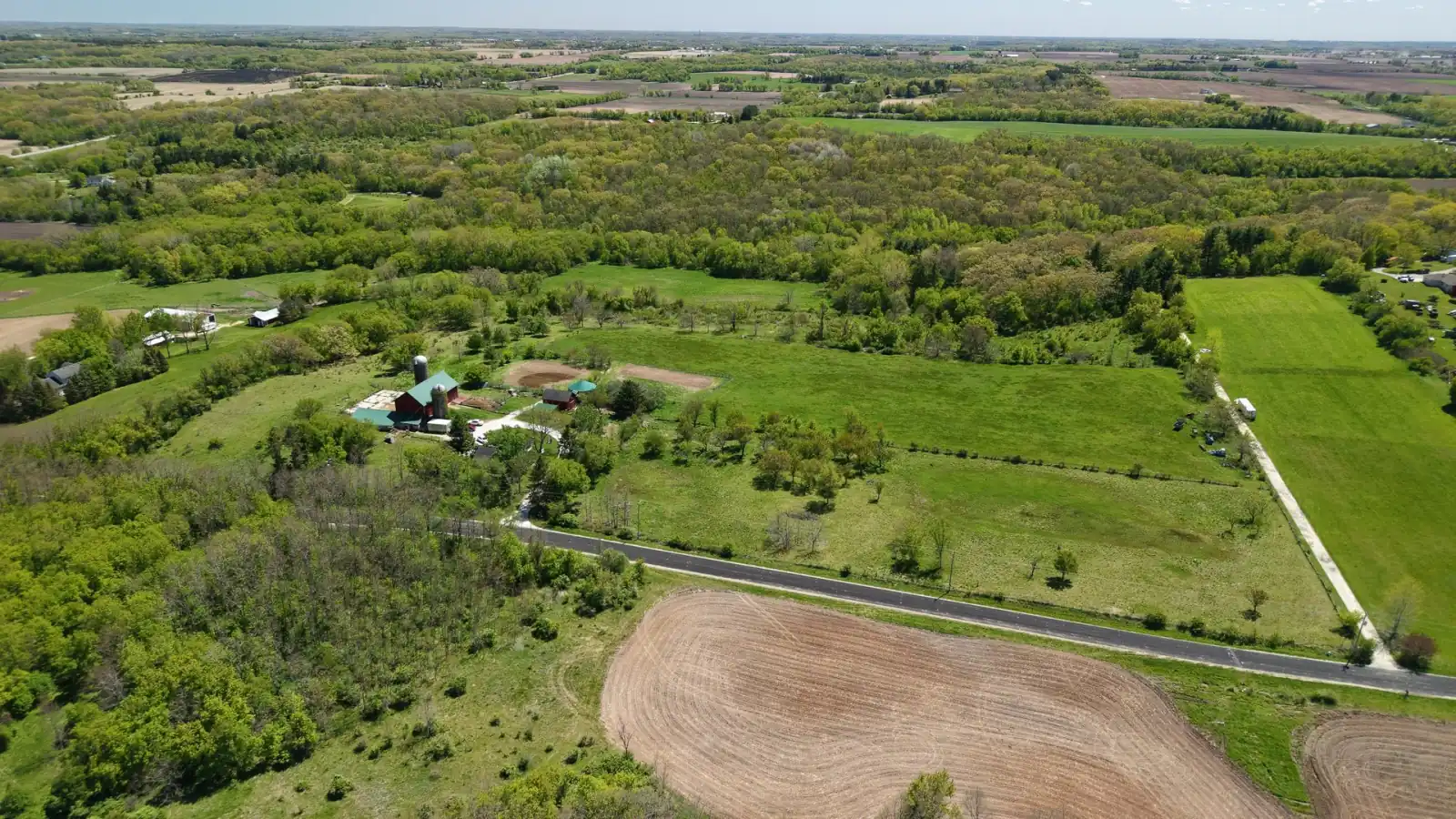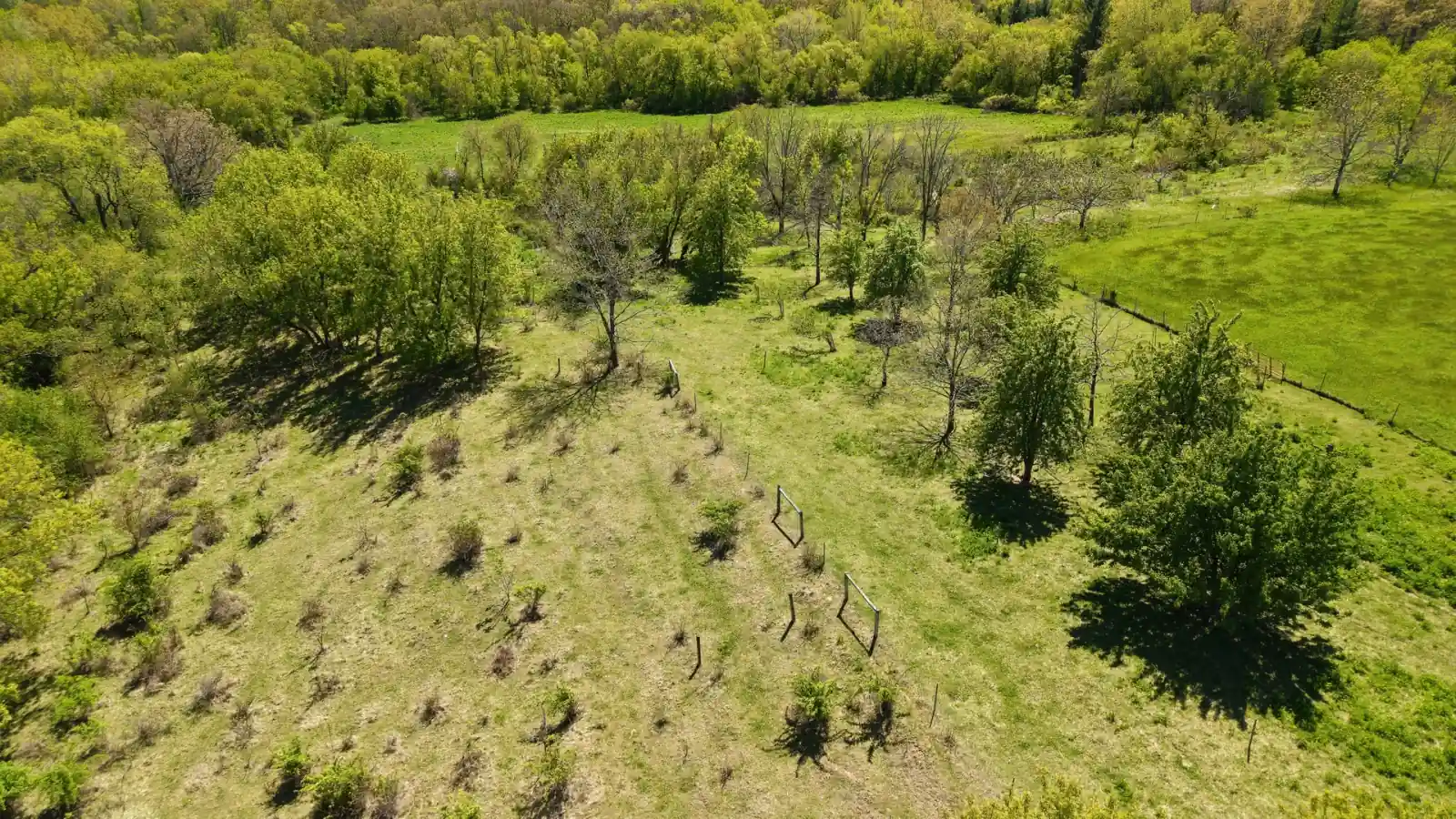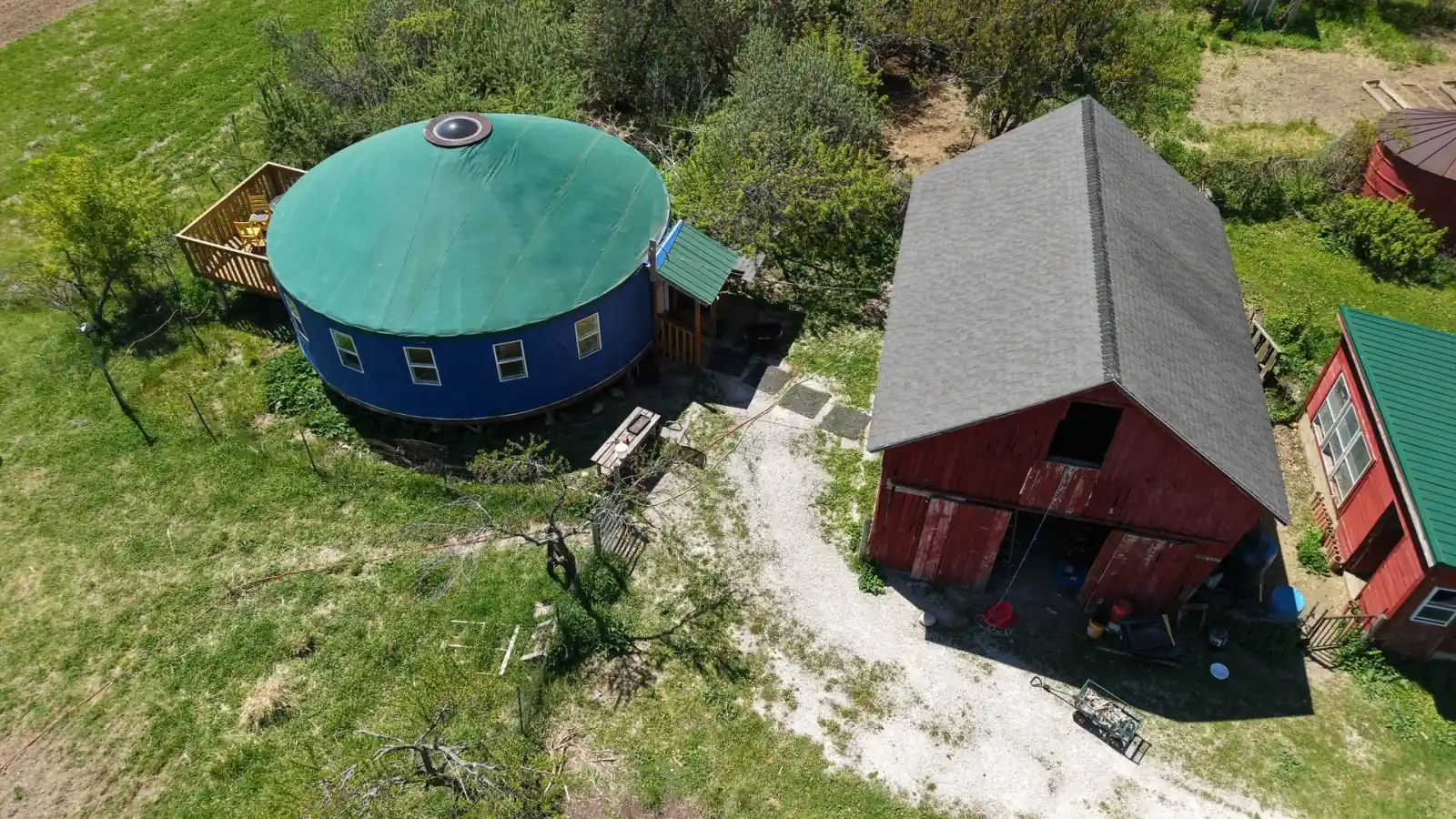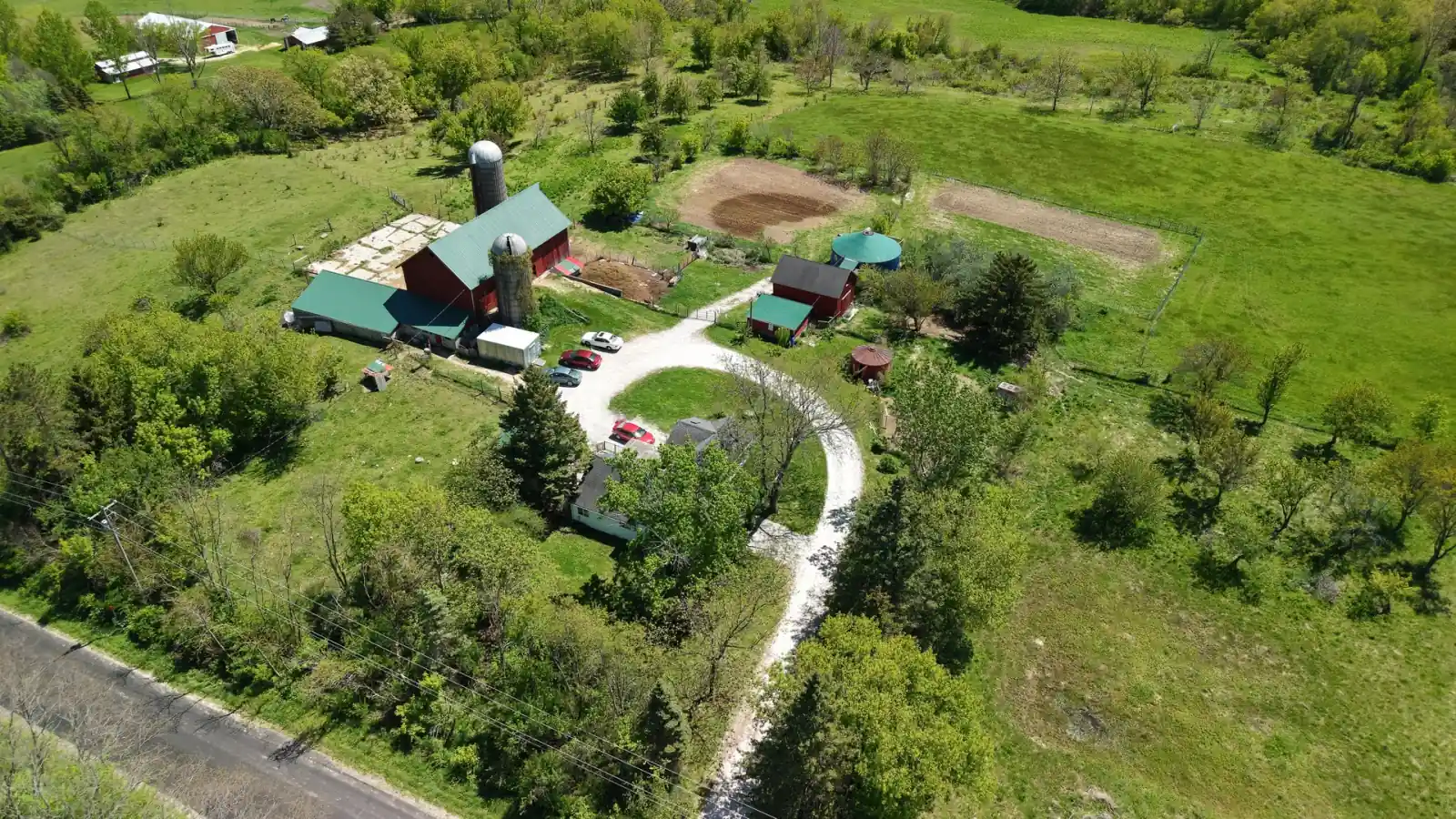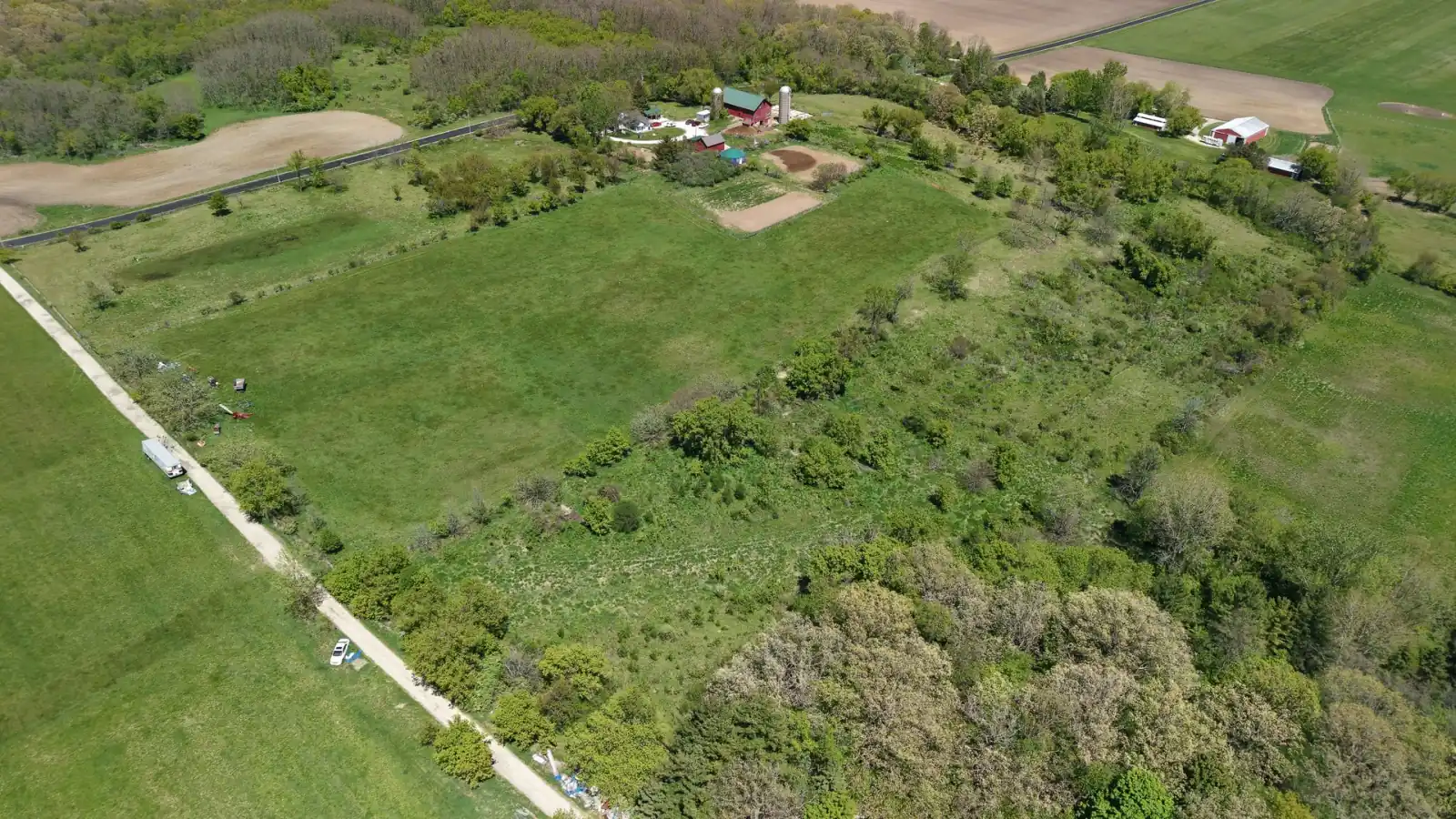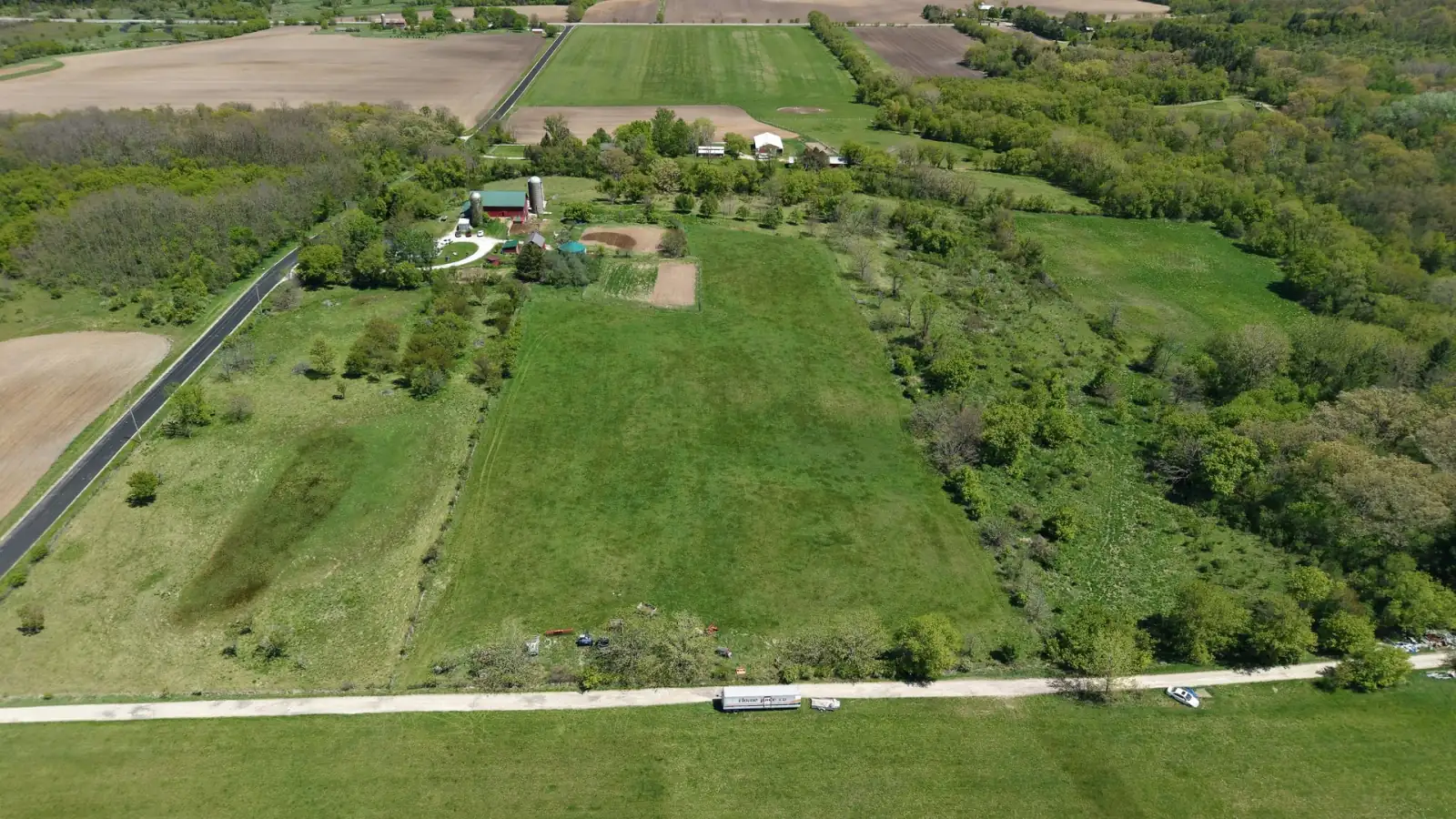
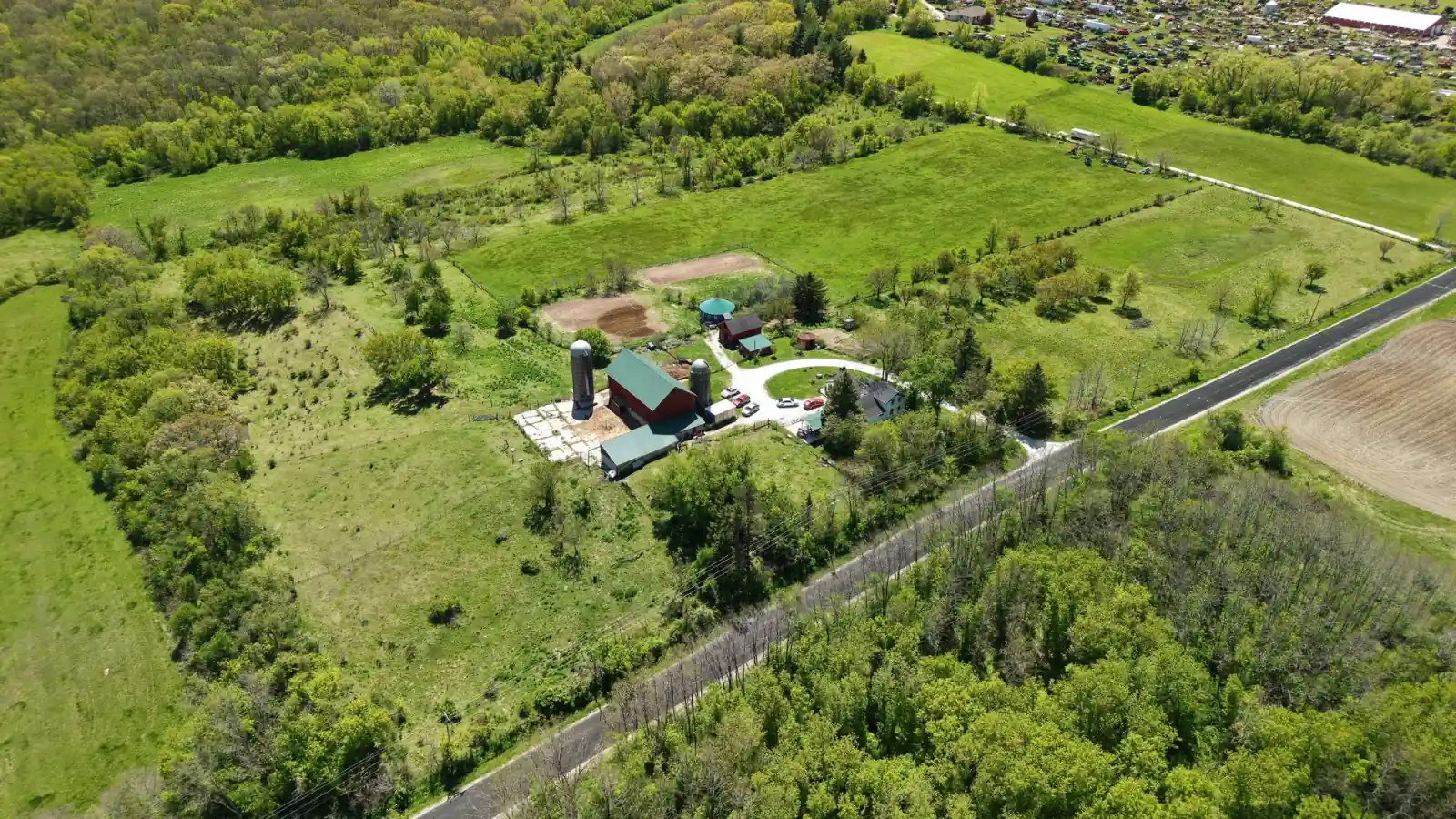
The Goldstein Farm carries two Walworth County zoning districts on one 35.03-acre parcel: 29.33 acres of A-2 Agricultural Land District and 5.7 acres of C-2 Upland Resource Conservation District. Together they make a flexible mix for a small farm with woods, buildings and room to grow.
This page summarizes what those districts generally allow, using Walworth County's own published descriptions. It is a plain-language overview, not legal advice. Zoning rules change, and the county is the final word on what is allowed on any parcel.
Who sets the zoning here?
The farm is in the Town of Spring Prairie, which is covered by the Walworth County Zoning Ordinance, Chapter 74 of the Walworth County Code of Ordinances. Zoning is administered by Walworth County Land Use and Resource Management, and conditional uses and rezonings go through the County Zoning Agency. The town also has a voice in the process, so buyers with specific plans should talk to both the county and the town.
A-2 Agricultural Land District (29.33 acres)
Walworth County's Zoning Districts Summary (Land Use and Resource Management, dated September 2020; accessed October 2026) describes the A-2 district this way:
- Purpose: to encourage farming on less productive farmlands and provide areas for small farms, horse farms, hobby farms, tree farms and similar uses.
- Lands mapped: existing farmland on marginal soils and fields intermixed with other land uses such as woods and homesites.
- Provisions: permits all agricultural uses and requires a 20-acre farm size.
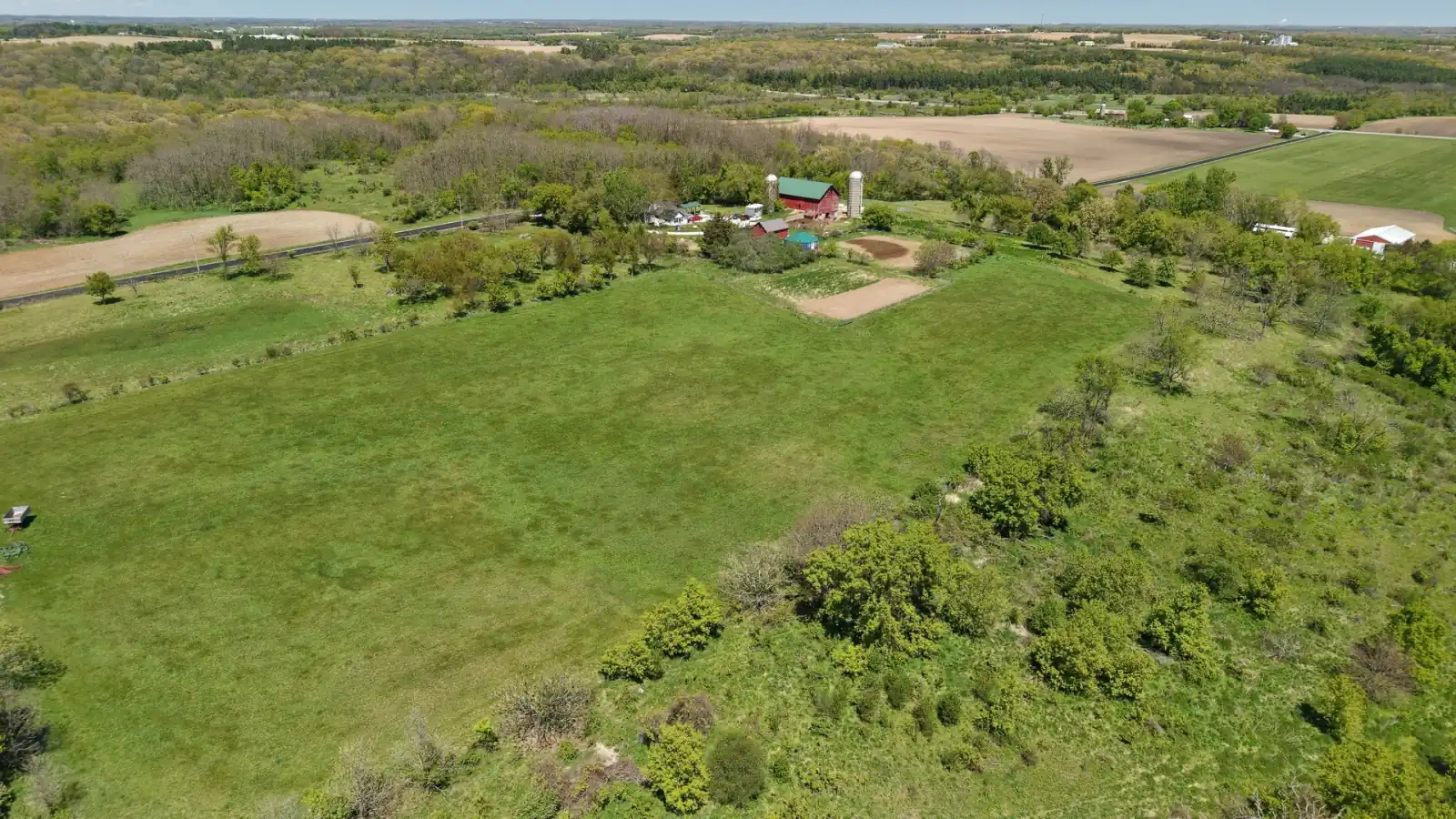
In plain terms, A-2 is the county's small-farm district. It is meant for exactly the kind of operation the Goldstein Farm has been: pasture, hay, orchards, gardens and livestock on a parcel too small for large-scale row crops. The county also lists A-2 among the districts where horses are permitted.
C-2 Upland Resource Conservation District (5.7 acres)
The same county summary describes C-2 as follows:
- Purpose: to preserve forest lands, scenic topography, watersheds, and potential parks and recreation areas.
- Lands mapped: larger parcels of woodlands, steep and scenic topography and some abandoned gravel pits.
- Provisions: permits scattered single-family dwellings, farming and related practices, stables and similar uses, and requires a parcel size of 5 acres and 300 feet of width.
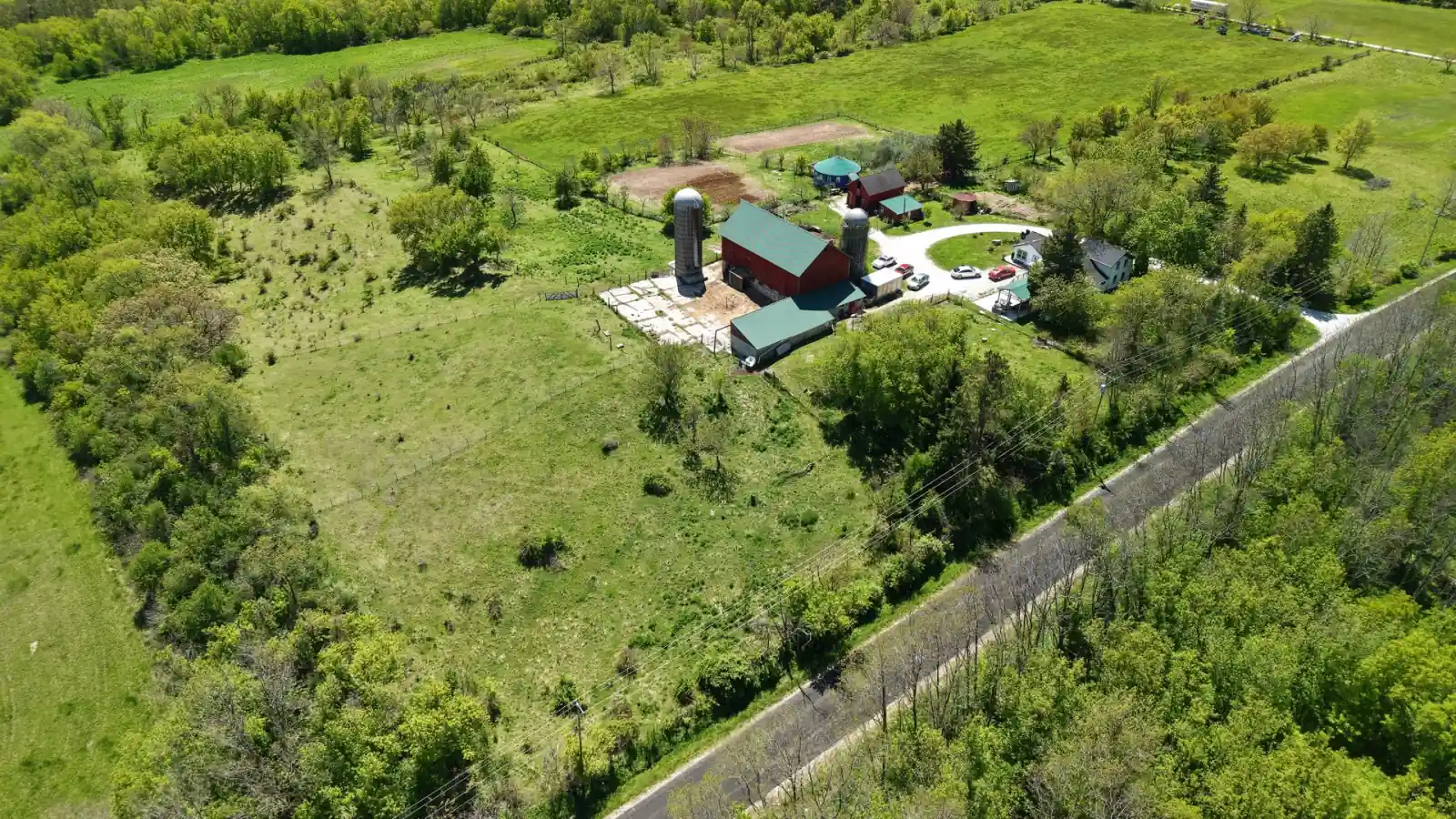
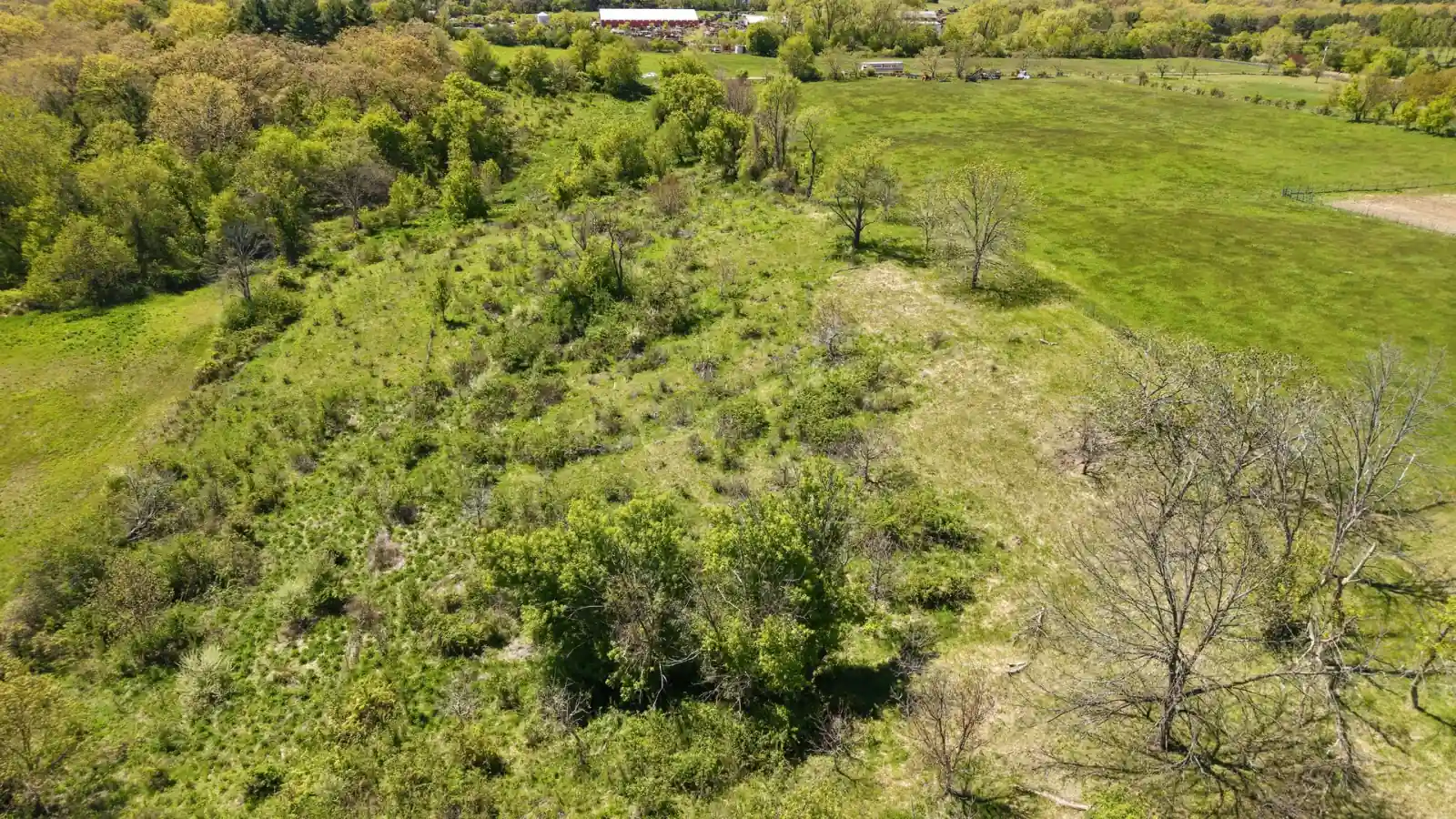
On this farm, the C-2 portion covers the upland, more wooded ground. It is a big part of why the property feels private: mature hardwoods and edge habitat wrap the farmstead, and no close neighbors are visible from the house.
Why the combination is useful
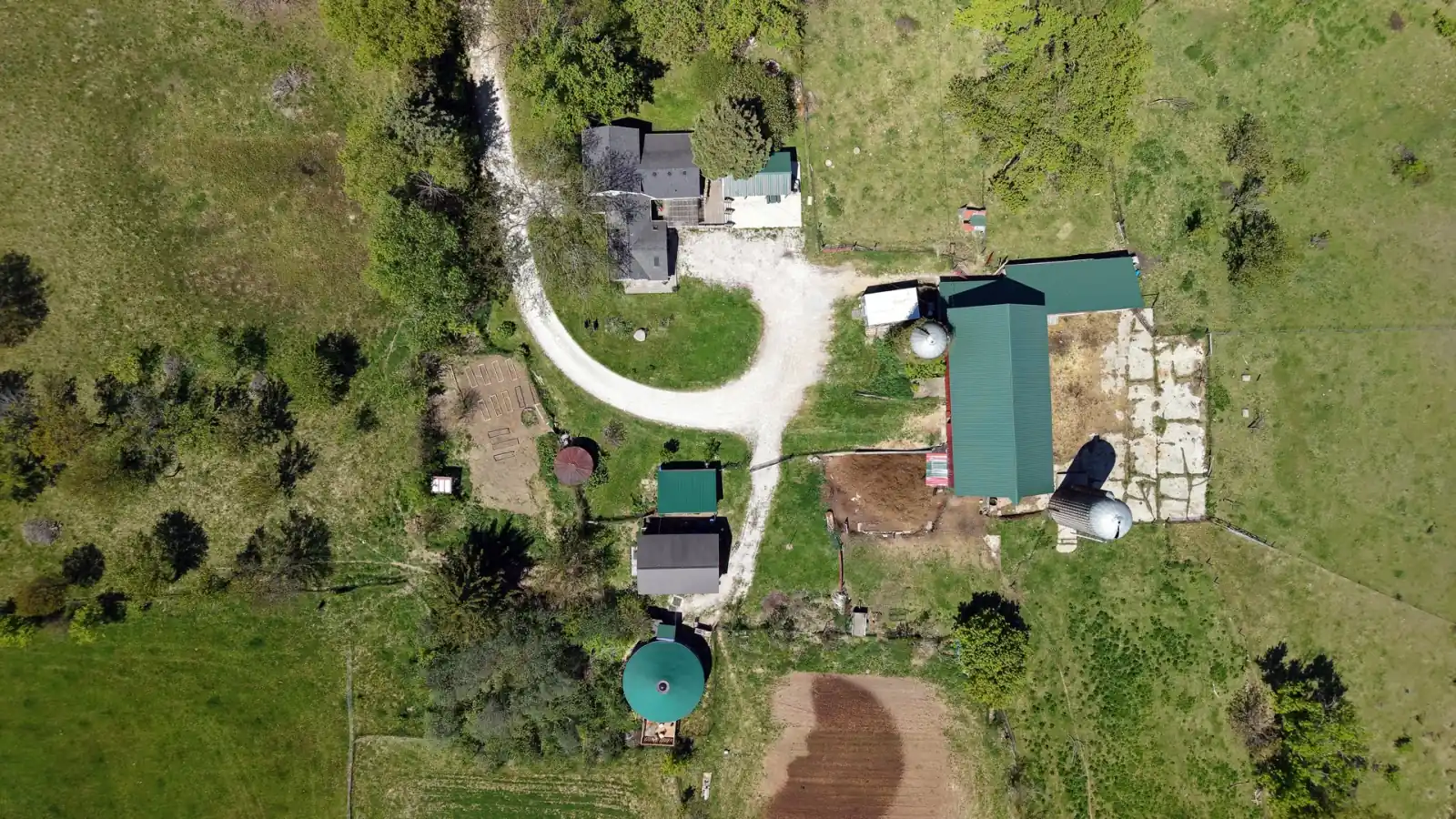
Many parcels this size carry a single district. Having both gives a buyer working farm ground under A-2 and protected woods under C-2, with a residence and farm buildings already in place. On top of the base zoning, the farm holds two active conditional use permits for short-term overnight rental and a farm school. Conditional uses are the county's way of allowing specific additional activities on a specific property after review; read more on the permits page.
What zoning does not tell you
A district summary is a starting point. Before buying for a particular plan, check:
- The full ordinance text for permitted and conditional uses, setbacks, accessory building rules and animal limits in each district.
- The official zoning map for the exact boundary between the A-2 and C-2 portions.
- Land division rules. Minimum sizes (20 acres for A-2, 5 acres and 300 feet of width for C-2) limit how the parcel could be split. Any division would need county and town review.
- Shoreland, wetland or floodplain overlays, if any apply to part of the parcel.
- Use-value assessment. The 2025 property tax bill was $3,782.57 (Walworth County records), with the farmland assessed under Wisconsin's agricultural use-value rules. A change in use can change how land is assessed. Confirm with the assessor.
Walworth County Land Use and Resource Management, located at the county government center in Elkhorn, can answer parcel-specific questions. The zoning facts on this page come from the January 2025 certified appraisal and county records; buyers should verify them independently.
Keep exploring: the organic acreage and orchards, the area guide, photos and FAQ, or the main page.